
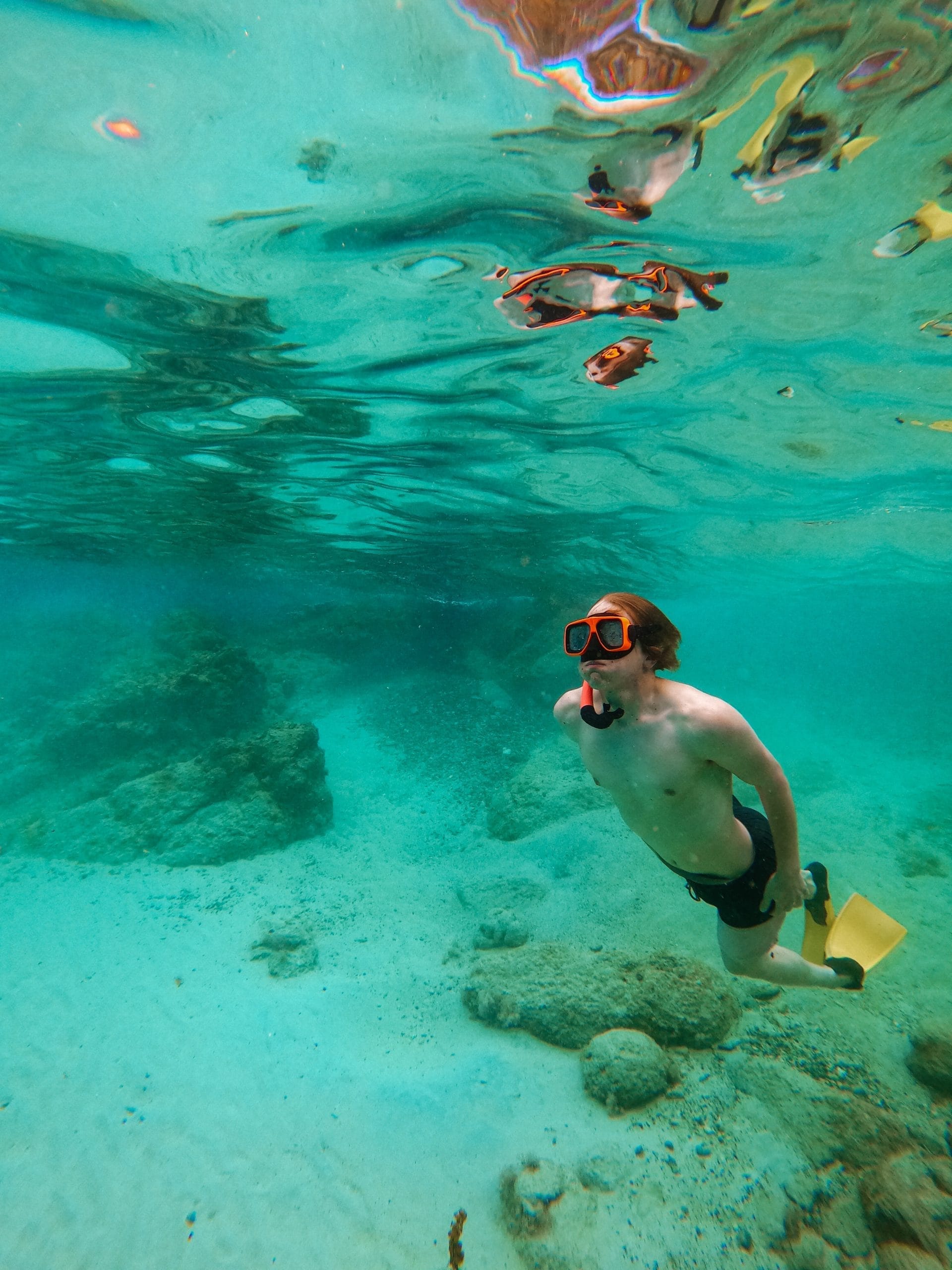
Exploring the underwater world through snorkeling and marine life excursions offers a unique blend of adventure, education, and environmental appreciation. These activities have surged in popularity as travelers seek immersive experiences that connect them with nature’s most vibrant ecosystems. From the coral reefs of the Caribbean to the kelp forests off the coast of California, snorkeling provides an accessible way to witness marine biodiversity firsthand.
This article delves into the essentials of snorkeling and marine life excursions, highlighting the best locations, necessary gear, safety considerations, and the importance of responsible tourism to protect fragile aquatic habitats.
Understanding Snorkeling: An Accessible Gateway to the Ocean
What Is Snorkeling?
Snorkeling is a water activity that involves swimming near the surface of the water while equipped with a mask, snorkel, and fins. Unlike scuba diving, snorkeling does not require extensive training or heavy equipment, making it an ideal introduction to underwater exploration for people of all ages and skill levels.
By simply floating and breathing through a snorkel tube, participants can observe marine life in their natural environment without disturbing the ecosystem. This low-impact activity allows for extended periods of observation, enabling snorkelers to appreciate the intricate details of coral formations, fish behavior, and other underwater phenomena. The experience can be particularly captivating in vibrant coral reefs, where a multitude of species coexist, creating a mesmerizing underwater tapestry. From the graceful movements of clownfish darting among anemones to the slow, majestic gliding of sea turtles, every snorkeling adventure can reveal a new world of wonders that spark curiosity and admiration for marine biodiversity.
Essential Gear for a Successful Snorkeling Experience
Proper equipment enhances safety and comfort during snorkeling excursions. The basic gear includes:
- Mask: A well-fitting mask creates a watertight seal around the eyes and nose, providing clear vision underwater.
- Snorkel: A breathing tube that allows the snorkeler to breathe while face-down on the water surface.
- Fins: Fins improve propulsion and maneuverability, making swimming more efficient and less tiring.
- Optional Gear: Wetsuits or rash guards protect against sunburn, jellyfish stings, and cold water temperatures.
Investing in quality gear tailored to fit properly can significantly improve the overall snorkeling experience. Many tour operators provide rental equipment, but personal gear often offers better comfort and hygiene. Additionally, snorkelers should consider using anti-fog solutions for their masks to maintain clear visibility during their underwater explorations. This simple step can make a significant difference, allowing for uninterrupted enjoyment of the vibrant marine life below. Furthermore, a buoyancy vest can be a great addition for beginners, providing extra flotation and confidence while acclimating to the water, especially in unfamiliar environments. With the right gear, snorkelers can focus on the beauty around them, immersing themselves fully in the wonders of the ocean.
Top Destinations for Snorkeling and Marine Life Excursions
The Great Barrier Reef, Australia
The Great Barrier Reef is the world’s largest coral reef system, stretching over 2,300 kilometers along Australia’s northeast coast. It hosts an extraordinary diversity of marine species, including over 1,500 fish species, 400 types of coral, and numerous sharks, rays, and sea turtles.
Snorkeling here provides unparalleled access to vibrant coral gardens and abundant marine life. Popular spots like the Whitsunday Islands and Cairns offer guided tours that emphasize conservation and education, ensuring visitors understand the reef’s ecological significance.
Bonaire, Caribbean Netherlands
Bonaire is renowned for its crystal-clear waters and well-preserved coral reefs. The island’s marine park status has helped protect its underwater habitats, making it a premier snorkeling destination in the Caribbean.
Snorkelers can explore shallow reefs teeming with colorful fish, seahorses, and sponges. The easy shore access to many snorkeling sites allows for flexible and convenient excursions without the need for boats.
Palawan, Philippines
Palawan is often cited as one of the most beautiful islands in the world, with pristine beaches and rich marine biodiversity. The Tubbataha Reefs Natural Park, a UNESCO World Heritage site, offers some of the best snorkeling opportunities in Southeast Asia.
Visitors can encounter reef sharks, manta rays, and vibrant coral species. Local operators focus on sustainable tourism practices to preserve these delicate ecosystems for future generations.
Marine Life Excursions: Beyond Snorkeling
Guided Wildlife Tours and Eco-Cruises
Marine life excursions extend beyond snorkeling to include guided wildlife tours and eco-cruises that focus on observing marine mammals, seabirds, and other oceanic wildlife. These tours often take place on boats equipped with knowledgeable guides who provide insights into animal behavior and conservation challenges.
For example, whale watching tours in regions like Monterey Bay, California, or the Azores in Portugal offer opportunities to see humpback whales, orcas, and dolphins in their natural habitats. These excursions are designed to minimize disturbance to the animals while maximizing educational value for participants.
Snorkeling with Marine Megafauna
Some excursions specialize in encounters with larger marine animals such as manta rays, whale sharks, and sea turtles. Locations like the Maldives and the Yucatán Peninsula in Mexico are famous for these experiences.
Swimming alongside these gentle giants requires strict adherence to guidelines to ensure the animals’ welfare. Many operators limit group sizes and enforce no-touch policies to protect these species from stress and injury.
Safety and Environmental Considerations
Health and Safety Tips for Snorkelers
While snorkeling is generally safe, it is essential to take precautions to avoid accidents or health issues. Key safety tips include:
- Always snorkel with a buddy or as part of a guided group.
- Check weather and water conditions before entering the water.
- Use sunscreen that is reef-safe to prevent chemical damage to coral reefs.
- Stay hydrated and avoid alcohol consumption before snorkeling.
- Know your limits and avoid overexertion.
Proper preparation and awareness can prevent common issues such as cramps, sunburn, and dehydration.
Protecting Marine Ecosystems Through Responsible Tourism
Marine ecosystems are fragile and increasingly threatened by human activities such as pollution, overfishing, and climate change. Responsible snorkeling and marine life excursions play a vital role in conservation efforts by promoting awareness and minimizing environmental impact.
Visitors should adhere to the following principles:
- Do not touch or stand on coral reefs, as this can cause irreversible damage.
- Avoid feeding or chasing marine animals to prevent behavioral changes.
- Use reef-safe sunscreens and avoid littering.
- Support operators who follow sustainable and ethical practices.
By respecting these guidelines, snorkelers contribute to the preservation of marine biodiversity for future generations to enjoy.
Conclusion: Embracing the Underwater World Responsibly
Snorkeling and marine life excursions offer an extraordinary window into the ocean’s wonders, fostering a deeper appreciation for marine environments and the creatures that inhabit them. Whether exploring coral reefs, swimming with majestic marine megafauna, or participating in eco-cruises, these experiences can inspire lifelong commitments to ocean conservation.
With proper preparation, respect for nature, and a focus on sustainability, snorkeling can be both a thrilling adventure and a meaningful educational journey. As marine ecosystems face mounting threats, responsible tourism becomes more critical than ever in safeguarding these underwater treasures.
For those eager to explore beneath the waves, the ocean awaits with its vibrant colors, diverse species, and stories of survival and symbiosis. Snorkeling and marine life excursions provide the perfect opportunity to connect with this hidden world, creating memories that last a lifetime and a greater understanding of our planet’s blue heart.
Ready to embrace the underwater world with a touch of luxury? Blue Moon Cabo invites you to set sail on an all-inclusive snorkeling and marine life excursion aboard our 74′ Bluewater Coastal Cruiser. Immerse yourself in the vibrant marine ecosystems with our top-notch snorkeling gear, paddle boards, and deep-sea fishing equipment. Indulge in exquisite dining from four customizable menus prepared by our private chef, and enjoy handcrafted cocktails from our onboard bartender. Experience the magic of the ocean with ambient blue LED lighting, a high-quality sound system, and the chance to witness majestic whales during the winter season. Whether you’re capturing memories in front of Cabo’s iconic arch or dancing the night away on our spacious upper deck, your adventure with Blue Moon Cabo will be unforgettable. Book Now and let us show you the heart of the ocean in unparalleled style and comfort.
