
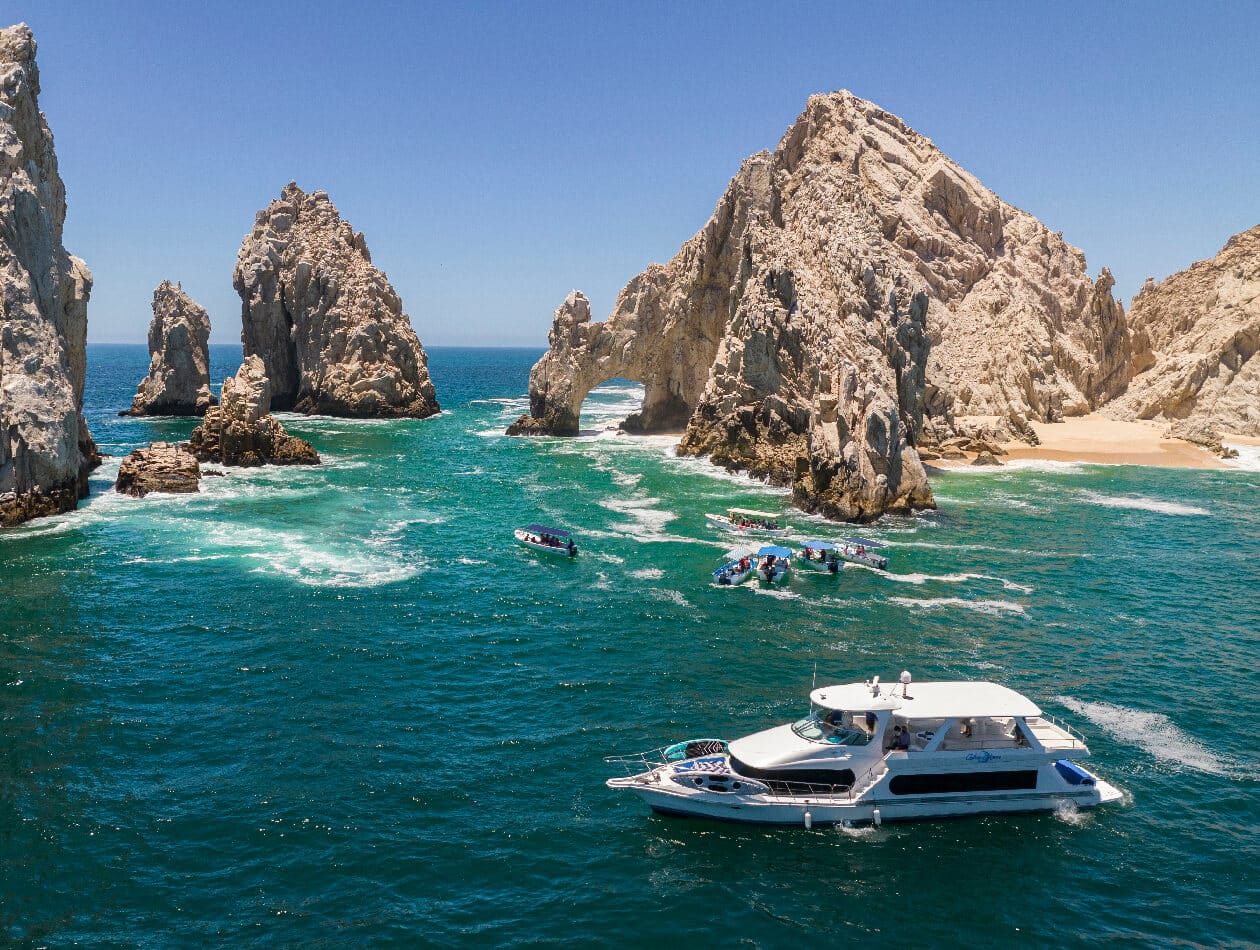
Cabo San Lucas, located at the southern tip of Mexico’s Baja California Peninsula, is renowned for its stunning landscapes, vibrant marine life, and especially its spectacular whale watching opportunities. Each year, thousands of visitors flock to this coastal paradise to witness one of nature’s most awe-inspiring events: the migration and breeding of several whale species in the warm waters of the Sea of Cortez and the Pacific Ocean.
When Is Whale Watching Season in Cabo San Lucas?
The whale watching season in Cabo San Lucas typically spans from mid-December through mid-April. This period aligns with the annual migration of several species of whales, primarily the majestic gray whales, humpback whales, and occasionally blue whales and orcas, as they travel from the cold feeding grounds of the Arctic to the warmer breeding and calving lagoons off the coast of Baja California.
Peak whale activity usually occurs between January and March, when the whales are most abundant and active near the shores of Cabo San Lucas. During this time, visitors have the best chance of witnessing spectacular behaviors such as breaching, tail slapping, and spyhopping.
Why This Time Frame?
The timing of the whale watching season is closely tied to the whales’ life cycles. After spending the summer months feeding in nutrient-rich Arctic waters, these whales embark on a long migration south to give birth and mate in the warmer, safer waters of Baja California. The relatively calm seas and milder weather conditions during winter and early spring also contribute to the excellent whale watching conditions in Cabo San Lucas.
In addition to the breathtaking sight of these magnificent creatures, the experience of whale watching in Cabo San Lucas is enhanced by the stunning natural beauty of the region. The backdrop of rugged cliffs, golden beaches, and the sparkling Sea of Cortez creates a picturesque setting that is hard to match. Many tour operators offer excursions that not only focus on whale sightings but also provide insights into the marine ecosystem, including the diverse array of fish, sea turtles, and seabirds that inhabit these waters. This educational aspect enriches the experience, allowing visitors to appreciate the delicate balance of life in this vibrant coastal environment.
Furthermore, the whale watching season coincides with the peak tourist season in Cabo San Lucas, which means that visitors can enjoy a variety of other activities and events during their stay. From vibrant nightlife and exquisite dining options to thrilling water sports and cultural experiences, there is no shortage of things to do while waiting for the next whale sighting. Many visitors find that combining whale watching with other adventures, such as snorkeling in the nearby marine parks or exploring the charming town of San José del Cabo, makes for an unforgettable vacation filled with both relaxation and excitement.
Which Whale Species Can You Expect to See?
Cabo San Lucas is a hotspot for marine biodiversity, and its whale watching season offers a chance to see several impressive species up close. Understanding the types of whales commonly spotted can enhance the experience for visitors and help set expectations.
Gray Whales
Gray whales are the stars of the show during the whale watching season. These whales undertake one of the longest migrations of any mammal, traveling up to 12,000 miles round-trip between their feeding grounds in the Arctic and their breeding lagoons along Baja California.
Gray whales are known for their curiosity and often approach boats closely, providing unforgettable encounters. Their mottled gray skin and knobby heads make them easily identifiable, and their dramatic breaches and tail slaps are a favorite among whale watchers.
Humpback Whales
Humpback whales are another frequent visitor to the waters around Cabo San Lucas during the season. Known for their acrobatic displays and haunting songs, humpbacks can often be seen breaching and slapping their fins on the water’s surface.
These whales are slightly larger than gray whales and have distinctive long pectoral fins and knobby heads. Their presence adds variety and excitement to whale watching tours, especially since their behaviors are highly energetic and engaging.
Other Species
While gray and humpback whales dominate the whale watching season, visitors may occasionally spot blue whales, the largest animals on Earth, as well as orcas and pilot whales. These sightings are less common but add an extra layer of excitement for whale enthusiasts.
Best Whale Watching Tours and Tips for Visitors
Experiencing whale watching in Cabo San Lucas is best done through guided tours that prioritize safety, environmental responsibility, and expert knowledge. Numerous operators offer boat tours ranging from small, intimate vessels to larger catamarans, each providing unique vantage points and experiences.
Choosing the Right Tour
When selecting a whale watching tour, consider factors such as group size, boat type, and the expertise of the guides. Smaller boats often allow for a more personal experience and closer encounters with whales, but larger boats may offer more amenities and stability, especially for those prone to seasickness.
Many tours incorporate naturalists or marine biologists who provide informative commentary about whale behavior, biology, and conservation efforts, enriching the overall experience.
What to Bring and Prepare For
To make the most of a whale watching excursion, visitors should dress in layers, as mornings can be cool but temperatures warm up during the day. Sunscreen, hats, and sunglasses are essential for sun protection. Binoculars and cameras with zoom lenses can enhance viewing and photographic opportunities.
It’s also advisable to bring seasickness remedies if prone to motion sickness, and to stay hydrated throughout the trip. Most tours provide life jackets and safety briefings, ensuring a secure and enjoyable outing.
Respecting the Whales and Environment
Responsible whale watching is crucial to protect these magnificent creatures and their habitats. Tour operators in Cabo San Lucas adhere to strict guidelines that minimize disturbance to the whales, such as maintaining safe distances and limiting the number of boats around a single pod.
Visitors are encouraged to follow these protocols and avoid any behavior that could stress or harm the whales, ensuring that future generations can continue to enjoy this natural spectacle.
Why Whale Watching in Cabo San Lucas Is a Must-Do Experience
Whale watching in Cabo San Lucas offers more than just a chance to see whales; it’s an immersive encounter with nature’s grandeur. The combination of breathtaking scenery, diverse marine life, and the thrill of witnessing massive whales in their natural environment creates memories that last a lifetime.
Moreover, whale watching supports local conservation efforts and sustainable tourism, helping to protect marine ecosystems and promote environmental awareness among visitors and residents alike.
Economic and Environmental Impact
The whale watching industry contributes significantly to the local economy, providing jobs and supporting businesses in hospitality, transportation, and tour operations. This economic incentive encourages the preservation of marine habitats and promotes eco-friendly practices.
Efforts by local organizations and government agencies have helped establish marine protected areas and enforce regulations that safeguard whale populations and their migratory routes, making Cabo San Lucas a model for responsible wildlife tourism.
Conclusion
Cabo San Lucas whale watching season is a remarkable period when nature’s giants grace the waters of the Baja California Peninsula. From mid-December to mid-April, visitors can witness the awe-inspiring migration and behaviors of gray whales, humpback whales, and other marine mammals in a stunning coastal setting.
By choosing responsible tours and respecting the environment, travelers not only enjoy an unforgettable experience but also contribute to the conservation of these majestic creatures. Whether a seasoned whale watcher or a first-time visitor, Cabo San Lucas offers an unparalleled opportunity to connect with the natural world in one of Mexico’s most beautiful destinations.
As the Cabo San Lucas whale watching season beckons, elevate your experience with Blue Moon Cabo’s luxurious yacht tours. Imagine gliding through the waters on our 74′ Bluewater Coastal Cruiser, with the majestic dance of whales unfolding before your eyes. Our spacious upper deck, perfect for 40 guests, sets the stage for an intimate encounter with nature, complemented by ambient blue LED lighting and a state-of-the-art sound system to enrich your evening excursions. Indulge in all-inclusive dining and drinks prepared by our private chef and bartender, with four customizable menus to satisfy your palate. With easy water access, snorkeling gear, paddle boards, and deep-sea fishing equipment, your adventure extends beyond whale watching. Capture the essence of luxury with our fully-equipped amenities and all you can eat & drink service. Don’t miss the chance to merge the thrill of whale watching with the pleasure of a sunset cruise, complete with an open bar and vibrant dance floor. Seize the moment and Book Now to secure your spot on Blue Moon Cabo’s exclusive tour, where every second on the water is a memory in the making.
